
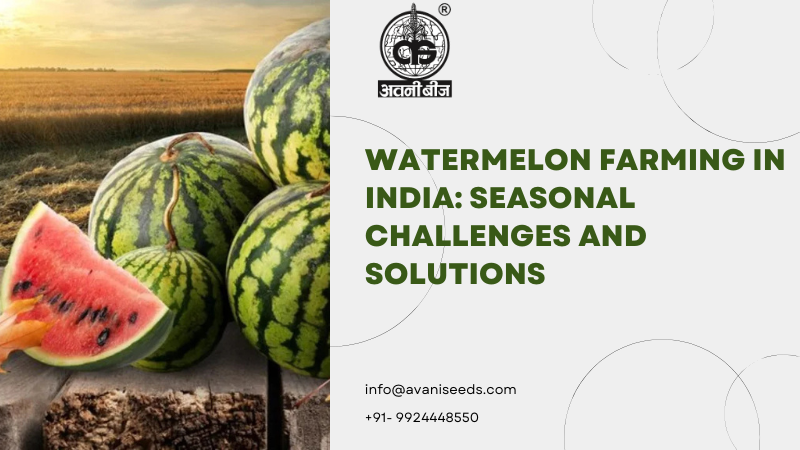
Watermelon cultivation is a profitable and widely practiced agricultural activity, especially during the summer season. With increasing demand across markets, watermelon farming in India has become a lucrative opportunity for farmers. However, achieving high yield and quality produce requires understanding the seasonal challenges in watermelon cultivation and applying effective solutions.
Overview of Watermelon Farming in India
India’s diverse climate supports watermelon cultivation in multiple regions, particularly in states like Maharashtra, Karnataka, Gujarat, and Andhra Pradesh. The crop thrives in warm temperatures and well-drained sandy loam soils, making it ideal for summer farming.
To maximize productivity, farmers must focus on high-quality seeds, proper irrigation, and advanced watermelon crop management techniques.
Key Seasonal Challenges in Watermelon Cultivation
Despite its potential, farmers often face several seasonal issues that impact crop yield and quality.
1. Temperature Fluctuations
Watermelon requires consistent warm temperatures (25–35°C). Sudden drops or extreme heatwaves can affect germination, flowering, and fruit development.
2. Water Stress
Both over-irrigation and drought conditions can harm the crop. Excess water may lead to root rot, while insufficient watering affects fruit size and sweetness.
3. Pest and Disease Attacks
Common pests like aphids, fruit flies, and diseases such as powdery mildew can significantly reduce yield.
4. Soil Nutrient Imbalance
Improper fertilization can result in poor plant growth and low-quality fruits.
Understanding these seasonal challenges in watermelon cultivation is essential for planning preventive measures.
Effective Solutions and Crop Management Techniques
To overcome these challenges, farmers should adopt modern and efficient watermelon crop management techniques.
1. Use High-Quality Seeds
Choosing seeds from a trusted Watermelon Seeds Supplier in India ensures better germination rates, disease resistance, and higher yields.
2. Proper Irrigation Management
Drip irrigation is highly recommended as it provides controlled water supply, reduces wastage, and maintains soil moisture balance.
3. Mulching Practices
Using plastic mulch helps retain soil moisture, control weeds, and regulate soil temperature, improving crop health.
4. Integrated Pest Management (IPM)
Regular monitoring and use of organic or chemical controls help manage pests and diseases effectively.
5. Balanced Fertilization
Applying the right mix of nitrogen, phosphorus, and potassium ensures healthy plant growth and better fruit quality.
Importance of Choosing the Right Seed Supplier
The success of watermelon farming in India largely depends on seed quality. Partnering with a reliable Watermelon Seeds Supplier in India ensures access to hybrid seeds that are high-yielding and resistant to environmental stress.
Additionally, sourcing seeds from the Best Agriculture Seed Manufacturers in India guarantees consistency, quality assurance, and better crop performance.
Tips for Maximizing Yield
- Select the right sowing season based on your region
- Maintain proper plant spacing for healthy growth
- Monitor weather conditions regularly
- Use organic compost to improve soil fertility
- Harvest at the right maturity stage for better market value
By following these strategies, farmers can significantly improve productivity and profitability.
Conclusion
Watermelon cultivation offers immense potential, but it also comes with its own set of challenges. By understanding the seasonal challenges in watermelon cultivation and implementing effective watermelon crop management techniques, farmers can ensure a successful harvest.
Investing in quality seeds from a trusted Watermelon Seeds Supplier in India and collaborating with the Best Agriculture Seed Manufacturers in India further enhances the chances of achieving high yields and superior fruit quality.
With the right knowledge, planning, and resources, watermelon farming in India can become a sustainable and profitable venture for farmers across the country.
